
The evolution of gambling tracing its historical roots and cultural impact
The Origins of Gambling
The history of gambling can be traced back thousands of years, with evidence of games of chance appearing in ancient civilizations such as Mesopotamia and China. In these early societies, gambling was often intertwined with religious practices and social activities. For instance, the Chinese used dice-like objects as early as 2000 BC, not only for entertainment but also for divination and decision-making. Today, you can explore reputable online casinos in Australia through https://mariepeter-toltz.com/, offering insights into this fascinating world.

As gambling spread across cultures, it began to evolve. The Romans incorporated betting into their games, introducing more structured forms of wagering on gladiatorial contests and chariot races. This adaptation highlighted gambling’s role in social gatherings, demonstrating how it fostered connections among participants and contributed to community identity.
The Rise of Formal Gambling Establishments
The establishment of dedicated gambling houses became prevalent in the Middle Ages, particularly in Europe. By the 17th century, casinos began to emerge, with the first official casino, the Ridotto, opening in Venice in 1638. These establishments offered a regulated environment for gambling, attracting a growing audience of patrons seeking entertainment and the thrill of chance.
The concept of casinos as social hubs flourished, leading to the popularization of card games, roulette, and other gambling activities. This shift not only transformed gambling into a legitimate business but also facilitated the development of various gambling regulations aimed at protecting players and ensuring fair play.
Cultural Impact of Gambling Through the Ages
Gambling has significantly influenced various aspects of culture, from literature to art. In many societies, gambling narratives have been integral to storytelling, exploring themes of fate, luck, and human psychology. Works by authors like Fyodor Dostoevsky and Shakespeare highlighted the moral dilemmas and societal implications of gambling, reflecting its deep-rooted presence in human behavior.
Moreover, gambling has often served as a reflection of societal values and economic conditions. During periods of prosperity, gambling tends to flourish, while during economic downturns, it may symbolize desperation. This duality showcases how gambling acts as a mirror to human nature and societal structures, revealing both the allure and the dangers of risk-taking behavior.
The Evolution of Online Gambling
With the advent of the internet, gambling underwent a significant transformation. Online casinos emerged in the late 20th century, revolutionizing access to gambling for millions worldwide. This digital shift not only expanded the audience but also diversified gambling options, introducing innovative games and wagering methods that were previously unimaginable.
The convenience of online gambling has led to a surge in popularity, appealing to a younger demographic that values accessibility and instant gratification. However, this evolution also raises concerns regarding responsible gambling practices and the potential for addiction, prompting ongoing discussions about regulation and player protection in the digital age.
Exploring Modern Gambling Platforms
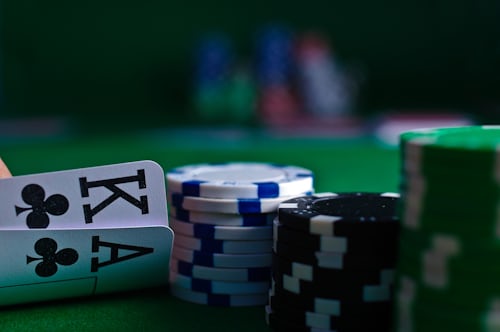
Today’s gambling landscape is characterized by the proliferation of online platforms, with many dedicated to providing safe and enjoyable experiences for users. Comprehensive guides and expert reviews play a crucial role in helping players navigate the myriad options available, ensuring they find trustworthy and reliable casinos.
As the industry continues to evolve, players are encouraged to engage in responsible gambling practices. By educating themselves about game varieties, payment methods, and the importance of moderation, players can maximize their enjoyment while minimizing potential risks. The modern gambling environment strives to balance entertainment with player safety, reflecting the ongoing evolution of this age-old pastime.